Recycling & Sustainability for Gardening Northolt
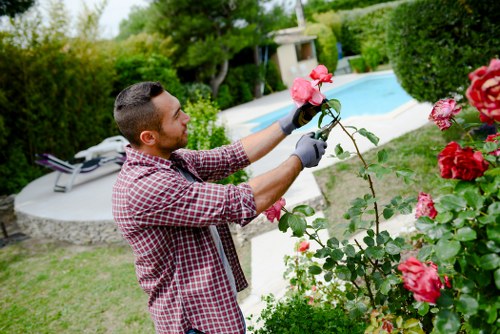 Gardening Northolt is committed to creating an eco-friendly waste disposal area and a thriving sustainable rubbish gardening area that supports local biodiversity and reduces landfill. Our approach balances practical site operations with community-focused green initiatives. By combining clear on-site separation, temporary holding areas for bulky green waste, and community reuse pathways, we aim to make every gardening project as low-impact as possible.
We prioritise an integrated waste stream strategy designed to increase reuse and recycling rates. This includes dedicated bins for compostable green waste, segregated containers for clean wood and timber, and a separate bay for recyclable plastics and metal plant supports. Our target is to divert the majority of site material from landfill — through careful handling, sorting and onward transfer to appropriate facilities.
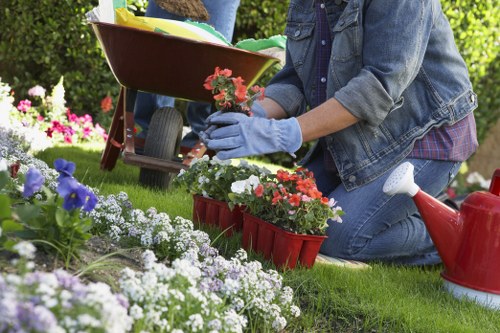 To align with local borough policy and make the most of established systems, we work within the London boroughs' approach to waste separation, where kerbside schemes typically separate food waste, glass, paper, and mixed recycling. Gardening Northolt adapts those principles on-site, encouraging workers and volunteers to follow a simple separation protocol that mirrors municipal expectations and improves onward processing at authorised facilities.
Our measurable recycling percentage target is an essential part of our sustainability plan. We aim to achieve a 70% recycling and reuse rate for site-generated materials within five years, with interim milestones at 50% in year one and 60% by year two. These targets apply to green waste, wood, soils, inert materials and commonly used garden plastics such as pots and trays.
To meet those targets we rely on local transfer stations and regional processing centres. We partner with nearby municipal hubs and licensed transfer stations, including local HWRCs and transfer depots, to route segregated loads directly into composting lines, wood recycling facilities and approved waste recovery sites. This reduces double-handling and supports circular reuse chains.
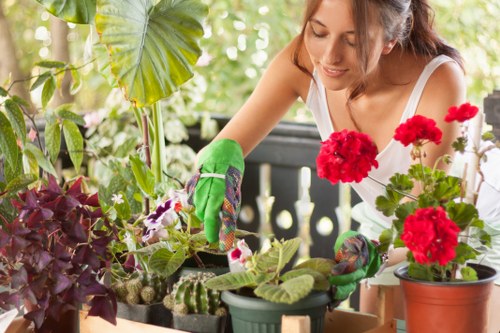 Partnerships with charities and reuse organisations are central to our model. We work with local community groups, social enterprises and reuse charities to divert usable materials and plants: surplus soil and healthy shrubs may be redistributed to community gardens, while serviceable tools and timber offcuts are offered to repair cafes and training programmes. These links extend the life of materials and provide social value alongside environmental benefit.
Operational carbon reduction is another priority. Gardening Northolt is transitioning to a fleet of low-carbon vans to transport smaller loads and move crews between sites. These include electric vans for local runs and hybrid vehicles for longer journeys, combined with cargo bikes for short urban transfers. Fleet choices are supported by route optimisation and load consolidation to minimise mileage and emissions.
Key operational features include:
- Electric and low-emission vans for routine pickups and deliveries.
- Route planning to reduce fuel use and run empty trips fewer times.
- Consolidated collections to maximise each trip’s payload and reduce vehicle hours.
Our on-site layout emphasises a clear, practical sustainable rubbish gardening area design: signage for separation, covered bays for wet green waste, and lockable storage for donors’ pots and tools. This reduces contamination and increases the value of recyclable fractions when they reach processing facilities.
We actively support community composting projects and encourage residents and volunteers to engage in small-scale aerobic composting as an alternative to disposal. Compost produced on site or at partnered municipal composting facilities can be returned to local allotments and planting schemes, closing nutrient loops and reducing the need for chemical fertilisers.
When materials cannot be reused locally, we ensure responsible onward transfer. Our waste separation follows the boroughs’ separation categories, so organics, mixed recycling and residuals are dispatched to the correct streams: anaerobic digestion or in-vessel composting for food/green waste, mechanical sorting for mixed recycling, and licensed inert processing for soils and clean hardcore.
 We maintain clear documentation and regular audits of waste streams to measure progress against our recycling percentage target and to identify contamination hotspots. Audits inform staff training and volunteer induction so everyone handling materials understands why correct separation matters and how it contributes to emissions reduction and resource recovery.
 Looking ahead, Gardening Northolt will deepen ties with local councils, transfer stations and charity partners to expand reuse routes and enhance local circularity. We’ll continue investing in low-carbon transport, smarter site design and community engagement to ensure our eco-friendly waste disposal area and sustainable rubbish gardening area meet ambitious environmental and social outcomes.
By setting clear targets, using local transfer infrastructure, partnering with charities and switching to low-carbon vans, we make practical choices that help the wider borough achieve its waste separation and recycling ambitions. Together with volunteers and local green groups, Gardening Northolt is committed to turning garden waste into resources rather than refuse.
Our vision is compact and actionable: reduce waste, increase reuse, cut transport emissions, and ensure every garden project supports a healthier local environment and a stronger circular economy for Northolt.